
Why Trust Our Morocco Travel Tips?
This Morocco Travel Tips guide has been written by Hassan and our local team at Morocco Desert Safari, a Moroccan travel company with years of experience helping travelers discover every corner of the country. Every year, we welcome visitors from around the world and answer hundreds of questions about planning a trip to Morocco. This guide brings together the same practical advice we share with our own guests before they travel.
Our knowledge comes from real experience, not from books or online research. As local travel specialists, we spend every day exploring Morocco, helping travelers discover its cities, mountains, coastline, deserts, villages, and hidden places while introducing them to the country’s culture, traditions, and warm hospitality. We know what works, what to expect, and how to help visitors enjoy a smooth and memorable journey.
Whether you’re visiting Morocco for the first time or returning to discover more, these Morocco travel tips are designed to help you travel with confidence. From choosing the best time to visit and understanding local customs to transportation, safety, packing advice, and cultural etiquette, our goal is simple: to help you experience the real Morocco through the knowledge of local experts who are passionate about sharing their country.
Before You Travel to Morocco
A little preparation before your trip can make your journey through Morocco much more enjoyable. From checking visa requirements and booking the best flights to choosing the right travel insurance, planning ahead helps you travel with confidence and avoid unnecessary surprises. As a local Moroccan travel company, we prepare hundreds of travelers every year, and these are the same practical tips we share with our own guests before they arrive.
Visa Requirements
Most visitors can enter Morocco without a visa for up to 90 days, but entry requirements depend on your nationality. We always recommend checking the latest information with the Moroccan Embassy or Consulate in your country before booking your trip. Make sure your passport is valid for at least six months from your arrival date and has enough blank pages for entry stamps.
Flights to Morocco
Morocco is well connected with direct international flights from Europe, North America, the Middle East, and many other destinations. The country’s main international airports are Casablanca, Marrakech, Fes, Tangier, Agadir, Rabat, and Ouarzazate. If your journey includes the Sahara Desert, you can also fly to Errachidia Airport, the closest airport to Merzouga. Booking your flights a few months in advance often gives you the best choice of schedules and prices.
Travel Insurance
Although we hope your trip goes perfectly, travel insurance is always recommended when visiting Morocco. A good policy can cover medical emergencies, trip cancellations, flight delays, lost luggage, and other unexpected situations. Before you travel, take a few minutes to check what your insurance includes so you can explore Morocco with complete peace of mind.
Is Morocco Safe?
Morocco is generally a safe and welcoming country for travelers, including solo travelers, couples, families, and women. Like any popular destination, it is important to stay aware of your surroundings, especially in busy medinas, markets, bus stations, and tourist areas. In our experience guiding visitors across Morocco, most trips are smooth, friendly, and full of warm local encounters.
Solo Travelers
Solo travelers visit Morocco every year and many enjoy the freedom of exploring the country at their own pace. We recommend booking trusted accommodation, using official taxis or arranged transfers when possible, and sharing your travel plans with someone you trust. Joining a guided tour for certain routes can also make the journey easier, especially if you are visiting remote areas or travelling between cities.
Couples
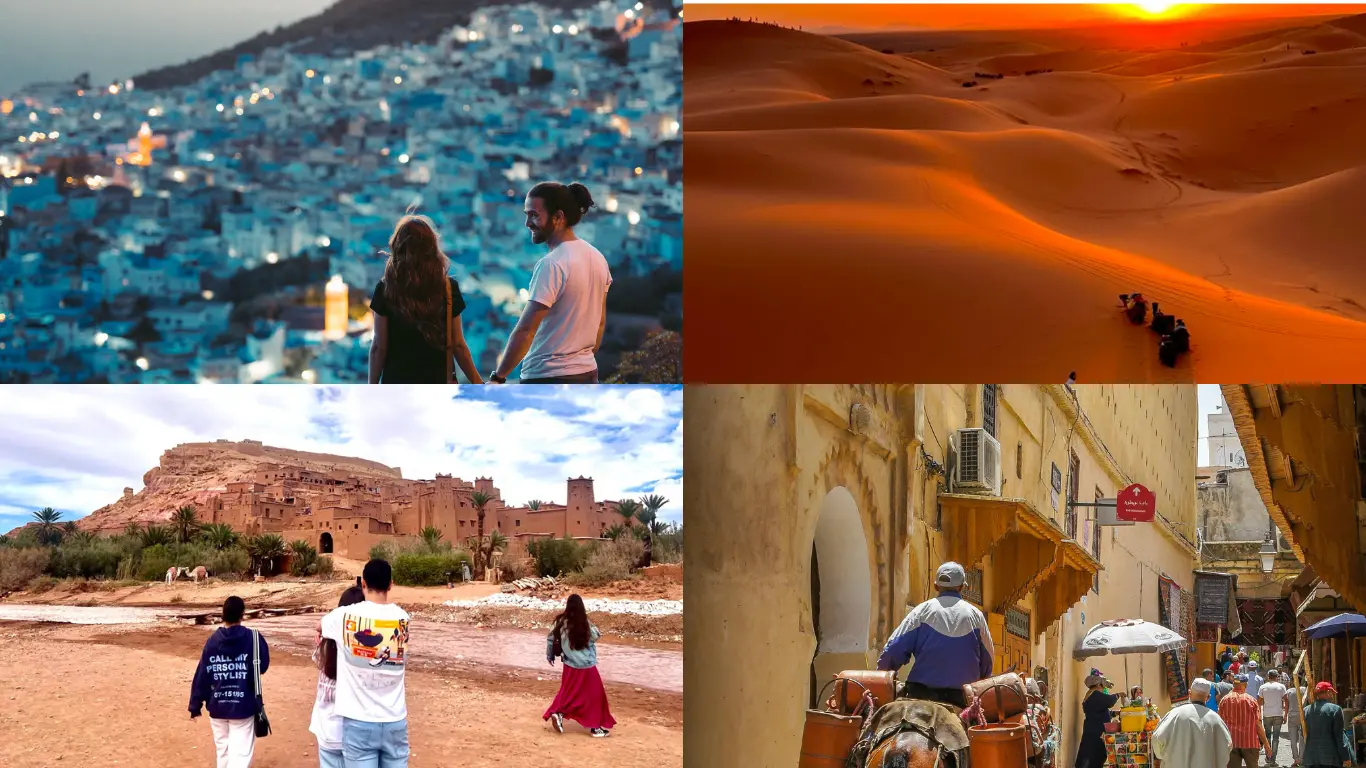
Morocco is a beautiful destination for couples, with romantic riads, mountain views, coastal towns, desert sunsets, and peaceful cultural experiences. Public affection is more modest than in some countries, so we recommend keeping things respectful in traditional areas. A little cultural awareness goes a long way and helps you feel more comfortable during your trip.
Families
Morocco is very family-friendly, and children are usually welcomed with warmth and kindness. Many families enjoy private tours because they allow more flexibility with stops, meal times, and travel pace. If you are travelling with children, plan shorter driving days where possible, bring snacks, and choose accommodation that suits your family’s comfort level.
Walking at Night
Walking at night is usually fine in busy, well-lit areas, especially near your riad, hotel, restaurants, and main squares. However, we recommend avoiding empty streets, quiet alleys, and unfamiliar neighborhoods late at night. If you are unsure, ask your accommodation or guide for advice, or take an official taxi back.
Common Scams
Most Moroccan people are kind and honest, but in busy tourist areas you may meet unofficial guides, overfriendly sellers, or people offering “free” help that later becomes a request for money. The best advice is simple: agree on prices before accepting a service, use licensed guides when needed, and do not feel pressured to buy anything. Good travel in Morocco is about enjoying the country calmly, with respect and awareness.
Best Time to Visit Morocco
The best time to visit Morocco depends on the type of journey you want to enjoy. Morocco has many different landscapes in one country: imperial cities, Atlantic beaches, High Atlas mountains, green valleys, and the Sahara Desert. In general, spring and autumn are the most comfortable seasons for a full Morocco tours, while summer and winter can still be excellent depending on where you travel.
Spring
Spring, from March to May, is one of the best times to travel to Morocco. The weather is warm but not too hot, the valleys are green, and the days are perfect for sightseeing, Morocco sahara desert tours, mountain routes, and cultural visits. This is a beautiful season for travelers who want comfortable temperatures and colorful landscapes.
Summer
Summer, from June to August, can be very hot in the inland cities and the Sahara Desert, especially around Marrakech, Fes, Ouarzazate, and Merzouga. However, it can be a good time for the Atlantic coast, beach towns, and cooler mountain areas. If you visit the desert in summer, we recommend sunrise or sunset activities instead of long daytime excursions.
Autumn
Autumn, from September to November, is another excellent season to visit Morocco. The strong summer heat begins to soften, the desert becomes more comfortable, and the light is beautiful for photography. It is a great time for private tours, Sahara trips, family holidays, and cultural journeys across the country.
Winter
Winter, from December to February, brings cooler days and cold nights, especially in the mountains and desert. The cities are pleasant for walking, the Sahara skies are often clear, and the Atlas Mountains may receive snow. If you travel in winter, bring warm layers, especially for desert camps and mountain areas.
Desert Temperatures
Desert temperatures change a lot between day and night. In spring and autumn, the Sahara is usually comfortable, but evenings can still be cool. In winter, nights in the desert can be very cold, while summer days can be extremely hot. For this reason, we always advise guests to pack layers and plan desert activities at the right time of day.
Mountains
The Atlas Mountains have their own climate and can feel very different from the cities or the desert. Spring and autumn are ideal for scenic drives, Berber villages, valleys, and hiking. In winter, some high mountain roads may be cold or affected by snow, while summer offers cooler air compared with the lowlands.
Atlantic Coast
The Atlantic coast is often cooler and fresher than inland Morocco. Places such as Essaouira, Agadir, Asilah, Rabat, and Casablanca can be enjoyable year-round, especially in summer, when many travelers seek ocean air and milder temperatures. The coast is also a good choice if you prefer a relaxed pace and softer weather.
What To Wear In Morocco
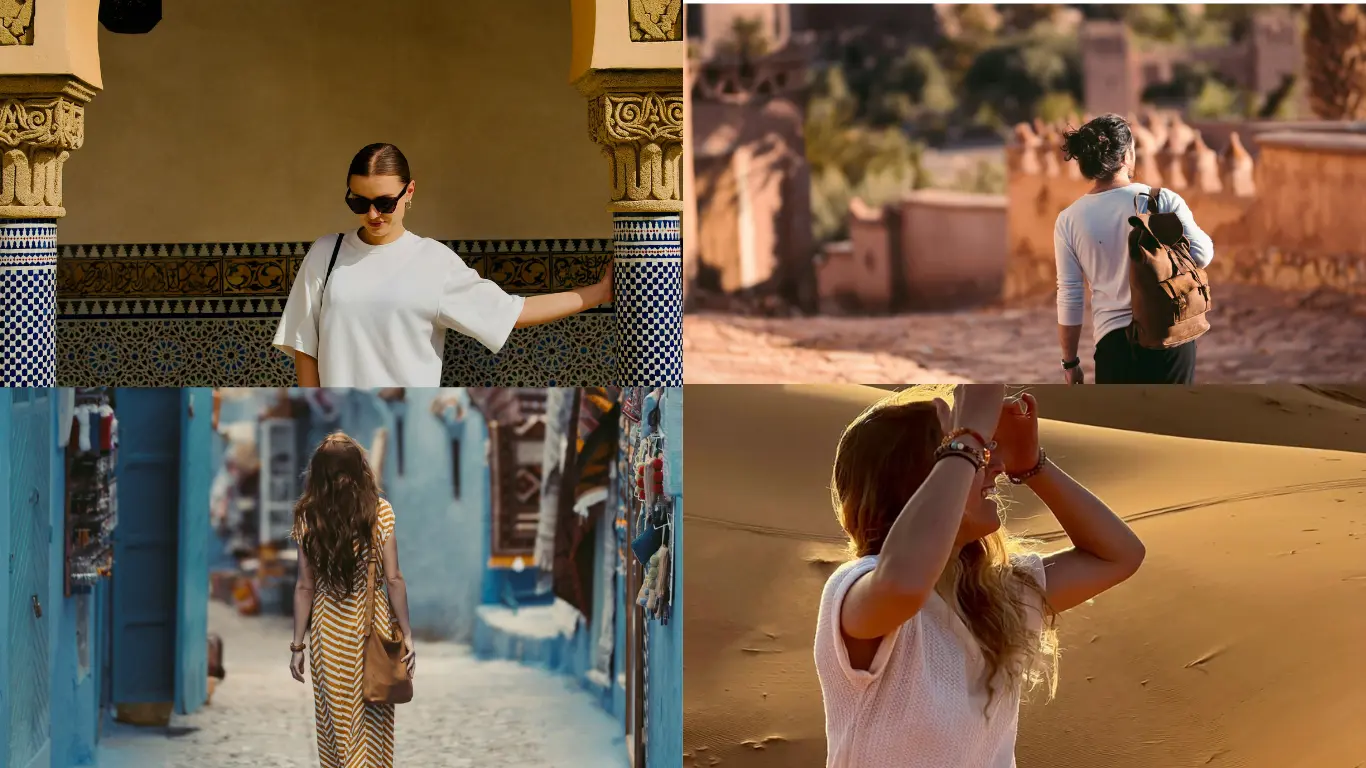
Knowing what to wear in Morocco helps you feel comfortable, respectful, and ready for different landscapes. Morocco is a welcoming country, but it is also a place where culture, religion, weather, and region all influence clothing choices. In general, we recommend light, comfortable, and modest clothing, especially when visiting medinas, villages, local markets, and family homes.
Men
Men can dress comfortably in Morocco with light trousers, jeans, shorts, T-shirts, shirts, and comfortable walking shoes. Shorts are fine in many tourist areas, coastal towns, and during hot weather, but long trousers are often better for rural villages, traditional places, and cooler evenings.
Women
Women do not need to dress in traditional Moroccan clothing, but modest clothes often feel more comfortable and respectful. Long dresses, loose trousers, skirts below the knee, light shirts, and tops that cover the shoulders are good choices. In big cities and tourist areas, styles are more relaxed, but in villages and traditional markets, modest clothing is recommended.
Autumn
Autumn, from September to November, is another excellent season to visit Morocco. The strong summer heat begins to soften, the desert becomes more comfortable, and the light is beautiful for photography. It is a great time for private tours, Sahara trips, family holidays, and cultural journeys across the country.
Winter
Winter, from December to February, brings cooler days and cold nights, especially in the mountains and desert. The cities are pleasant for walking, the Sahara skies are often clear, and the Atlas Mountains may receive snow. If you travel in winter, bring warm layers, especially for desert camps and mountain areas.
Mosques
Most mosques in Morocco are not open to non-Muslim visitors, with a few famous exceptions. When visiting religious areas, walking near mosques, or entering spiritual sites where visitors are allowed, it is best to dress respectfully. Covering shoulders and knees is a simple way to show respect for local culture.
Desert Sahara
For the Sahara Desert, comfort is very important. We recommend light clothes for the day, a scarf or hat for the sun, sunglasses, sunscreen, and closed shoes or sandals that are easy to walk in. Even in warm seasons, desert evenings can be cool, so always bring a light jacket or warm layer for sunset, camp nights, and early mornings.
Winter
Winter in Morocco can surprise many travelers. Cities may be mild during the day, but evenings can be cold, especially in the Atlas Mountains and the Sahara Desert. Pack layers, a warm jacket, comfortable shoes, and something warmer for nights in riads, mountain villages, or desert camps.
Summer
Summer in Morocco can be very hot, especially inland and in the desert regions. Choose breathable fabrics such as cotton or linen, wear a hat, use sunscreen, and drink plenty of water. Loose clothing is often better than very tight clothing because it protects your skin from the sun and keeps you cooler during the day.
Money In Morocco
Understanding money in Morocco will make your trip easier, especially when moving between cities, small towns, markets, and rural areas. Morocco is still a country where cash is very important, even though cards are accepted in many hotels, restaurants, and larger shops. A good balance of cash and cards is usually the best way to travel comfortably.
Currency
The local currency is the Moroccan Dirham, usually written as MAD or DH. You will use dirhams for taxis, cafés, markets, tips, small restaurants, and local purchases. Euros and US dollars may sometimes be accepted for private tours or larger services, but daily expenses are best paid in Moroccan dirhams.
ATMs
ATMs are easy to find in major cities such as Marrakech, Fes, Casablanca, Tangier, Rabat, Agadir, and Ouarzazate. In smaller towns and remote areas, machines can be limited, so it is better to withdraw cash before travelling to the mountains, desert, or countryside. Always use ATMs connected to banks when possible.
Cards
Credit and debit cards are accepted in many hotels, modern restaurants, supermarkets, and some shops. However, small local businesses, souks, taxis, family restaurants, and rural guesthouses often prefer cash. Before paying by card, it is always good to ask if cards are accepted.
Cash
Cash is useful every day in Morocco. We recommend carrying small notes for taxis, tips, snacks, local guides, entrance fees, and shopping in the medina. Large notes can sometimes be difficult to change in small shops, so keeping smaller amounts with you makes payments easier and faster.
Tipping
Tipping is appreciated in Morocco but not always required. It is a kind way to thank drivers, guides, hotel staff, restaurant servers, camel guides, and porters when you are happy with the service. The amount depends on the service and your experience, but even a small tip is received with gratitude.
Bargaining
Bargaining is part of Moroccan market culture, especially in souks and traditional shops. It should feel friendly, not stressful. Take your time, smile, ask the price, and offer what feels fair. If you do not want to buy, it is completely fine to say thank you and walk away politely.
Transportation In Morocco
Transportation in Morocco is part of the travel experience itself. The country is large and diverse, with modern highways, mountain roads, desert routes, coastal drives, train lines, and long-distance buses connecting many popular destinations. Choosing the right way to travel depends on your route, comfort level, time, and the kind of Morocco experience you want.
Driving
Driving in Morocco can be a good option for confident travelers, especially if you want flexibility. Main roads between major cities are generally good, but mountain passes, desert roads, and medina areas can be more challenging. If you rent a car, plan your route carefully, avoid driving long distances at night, and allow extra time for scenic stops.
Trains
Trains are one of the easiest ways to travel between major Moroccan cities such as Casablanca, Rabat, Tangier, Marrakech, Meknes, and Fes. They are comfortable, affordable, and useful for city-to-city travel. However, trains do not reach the Sahara Desert, many mountain villages, or remote areas, so you may need another form of transport for deeper travel.
Buses
Buses connect many towns and cities across Morocco and can be a budget-friendly option. Companies such as CTM and Supratours are commonly used by travelers for long-distance routes. Buses are useful, but journey times can be long, and they may not offer the same flexibility for stops, sightseeing, or rural routes.
Private Tours
Private tours are often the most comfortable way to explore Morocco, especially if your trip includes the Sahara Desert, the Atlas Mountains, kasbahs, valleys, and small villages. With a private driver-guide, you can travel at your own pace, stop for photos, avoid confusion with connections, and enjoy local insight along the way. For families, couples, and first-time visitors, this is usually the smoothest way to discover Morocco.
Domestic Flights
Domestic flights can save time when travelling between distant cities such as Casablanca, Marrakech, Fes, Agadir, Laayoune, Dakhla, or Errachidia. If your journey includes Merzouga and the Sahara Desert, flying to Errachidia can reduce driving time. Flights are useful for longer routes, but they should be planned carefully because schedules may not run every day.
Internet & SIM Cards In Morocco
Staying connected while travelling in Morocco is easy. Whether you need Google Maps, WhatsApp, online payments, or simply want to share your journey with family and friends, Morocco offers reliable mobile networks and good internet coverage in most cities and tourist destinations. As a local travel company, we always help our guests choose the option that best suits their trip.
Airalo (eSIM)
If your phone supports eSIM technology, Airalo is one of the easiest ways to get online before you arrive in Morocco. You can install your data plan in just a few minutes and connect as soon as your plane lands, without visiting a mobile shop or changing your SIM card.
Orange Morocco
Orange is a popular choice for international visitors, offering good coverage in Morocco’s major cities, tourist attractions, and many rural areas. SIM cards are inexpensive, easy to find at airports and official stores, and data packages provide excellent value for most travellers.
Maroc Telecom
Maroc Telecom has the largest mobile network in Morocco and is often the best option if your journey includes remote areas such as the Sahara Desert, the Atlas Mountains, or small villages. Many of our guests choose Maroc Telecom because of its strong coverage during desert tours and road trips across the country.
inwi
inwi is another reliable Moroccan mobile provider with competitive prices and good coverage in cities and popular tourist destinations. It is a great choice if you mainly plan to visit Morocco’s imperial cities, Atlantic coast, and larger towns.
Wi-Fi
Most hotels, riads, cafés, restaurants, and many desert camps offer free Wi-Fi. Connection speeds are generally good in cities, while remote mountain and desert areas may have slower or less stable service. If you plan to travel across different regions of Morocco, having a local SIM card or eSIM is the best way to stay connected throughout your journey.
Moroccan Food
Moroccan food is one of the highlights of any journey through the country. Every region has its own traditional recipes, local ingredients, and family cooking traditions that have been passed down for generations. During your travels, you’ll discover meals prepared with fresh vegetables, aromatic spices, slow-cooked meats, homemade bread, and warm Moroccan hospitality. At Morocco Desert Safari, we believe that sharing a meal is one of the best ways to experience Moroccan culture, and we always encourage our guests to try local dishes prepared by families and traditional restaurants.
Tagine
Tagine is Morocco’s most famous traditional dish. It is slowly cooked in a clay pot, allowing the flavours of meat, chicken, vegetables, herbs, and spices to blend together beautifully. Every region has its own version, making each tagine a unique taste of Moroccan cuisine.
Couscous
Couscous is considered Morocco’s national dish and is traditionally served every Friday with family and friends. It is prepared with steamed semolina, seasonal vegetables, and your choice of beef, lamb, or chicken. It is a comforting meal that reflects Morocco’s culture of sharing and hospitality.
Pastilla
Pastilla is one of Morocco’s most unique specialties. This delicate pastry combines crispy layers with a savoury filling of chicken or pigeon, almonds, cinnamon, and a light dusting of sugar. The balance of sweet and savoury flavours makes it a favourite for celebrations and special occasions.
Harira
Harira is a rich Moroccan soup made with tomatoes, lentils, chickpeas, fresh herbs, and aromatic spices. It is especially popular during Ramadan but is enjoyed throughout the year as a delicious starter or light meal.
Street Food
Morocco’s street food offers a wonderful opportunity to experience local life. In markets and city squares, you’ll find fresh juices, grilled meats, msemen (Moroccan pancakes), maakouda (potato fritters), sandwiches, pastries, olives, dates, and many other local favourites. As with any destination, we recommend choosing busy stalls where food is freshly prepared.
Moroccan Mint Tea
Often called the “drink of Moroccan hospitality,” mint tea is much more than a beverage. It is offered to welcome guests into homes, riads, and desert camps. Sharing a glass of freshly prepared mint tea is an important part of Moroccan culture and one of the experiences every visitor should enjoy.
Vegetarian & Special Diets
Travelling as a vegetarian in Morocco is easier than many visitors expect. Vegetable tagines, couscous, fresh salads, soups, olives, seasonal fruit, and traditional breads are available throughout the country. At Morocco Desert Safari, we’re happy to prepare vegetarian, vegan, gluten-free, or other special meals during our tours. Simply let us know before your trip, and our team will make sure your meals are freshly prepared to suit your needs.
Moroccan Culture
One of the most rewarding parts of travelling in Morocco is experiencing its rich culture and genuine hospitality. Moroccan people are known for their kindness, generosity, and warm welcome to visitors. By understanding a few local customs before you arrive, you’ll feel more comfortable, connect more naturally with local people, and enjoy a more authentic travel experience. These are the same cultural tips our team shares with guests before every Morocco tour.
Greetings
Greetings are an important part of Moroccan culture. A friendly “Salam Alaikum” (Peace be upon you) or a simple “Bonjour” is always appreciated and often starts conversations with a smile. Handshakes are common, while close friends and family may greet each other with kisses on the cheek. Taking a moment to greet people politely is considered a sign of respect.
Photography
Morocco is incredibly photogenic, from colourful markets and ancient medinas to mountain villages and the Sahara Desert. However, always ask permission before taking close-up photos of people, especially in rural communities, local markets, or nomad camps. Most people appreciate being asked first, and it creates a more respectful and enjoyable interaction.
Ramadan
If you visit Morocco during Ramadan, you’ll experience a unique and peaceful atmosphere. Many cafés and restaurants continue serving visitors, particularly in tourist areas, while local families fast from sunrise to sunset. We encourage travellers to be respectful by avoiding eating or drinking in front of people who are fasting in quieter local areas whenever possible.
Friday Prayers
Friday is the most important day of the week for Muslims, with the main prayer taking place around midday. Some shops, local businesses, and family-run restaurants may close for a short time during prayers before reopening later. Planning your day with this in mind will help your journey run more smoothly.
Dress Code
Morocco is a modern country with traditional values. There is no strict dress code for visitors, but modest clothing is appreciated, particularly in villages, religious areas, and traditional neighbourhoods. Comfortable, lightweight clothing that covers the shoulders and knees is usually the best choice and helps visitors feel more comfortable while exploring.
Respect
The easiest way to enjoy Morocco is to travel with kindness, curiosity, and respect. Respect local customs, ask before photographing people, dress appropriately when visiting traditional communities, and take time to learn about the country’s traditions. In return, you’ll discover the genuine hospitality that makes Morocco one of the world’s most welcoming travel destinations.
Common Mistakes to Avoid When Visiting Morocco
After welcoming travelers from all over the world, we’ve noticed that the most memorable trips are not always the most expensive; they’re the ones that are well planned. A few simple choices before you travel can make a big difference once you’re here. These are the most common mistakes we see and the advice we give our own guests to help them enjoy Morocco with confidence.
Booking Tours That Are Too Short
Morocco is larger than many visitors expect. Trying to see everything in just a few days often means spending more time in the car than enjoying the places you came to discover. If your schedule allows, choose a relaxed itinerary with time to explore, meet local people, and experience each destination properly.
Overpacking
You don’t need a large suitcase to travel comfortably in Morocco. Lightweight clothing, comfortable shoes, and a few extra layers are usually enough. Packing light makes it much easier to move between cities, riads, and train stations while leaving room for the souvenirs you’ll collect along the way.
Underestimating Driving Distances
Morocco’s landscapes are breathtaking, but they are also spread across a large country. A journey between destinations often includes mountain roads, scenic valleys, and photo stops that make the drive part of the adventure. Planning realistic travel days will help you enjoy the journey instead of rushing through it.
Carrying Too Much Cash
Morocco is generally a safe destination, but we recommend carrying only the cash you need for the day. ATMs are widely available in cities and larger towns, and many hotels, restaurants, and shops accept bank cards. Keeping your money in different places adds extra peace of mind while travelling.
Wearing the Wrong Footwear
Morocco is best explored on foot. Whether you’re walking through ancient medinas, climbing sand dunes, visiting kasbahs, or exploring mountain villages, comfortable walking shoes will make every day much more enjoyable than sandals or unsuitable footwear.
Forgetting Warm Clothes
Many visitors expect Morocco to be hot all the time, but temperatures change quickly after sunset, especially in the Sahara Desert and the Atlas Mountains. Even if you travel during warmer months, bringing a light jacket or fleece for the evenings will help you stay comfortable throughout your journey.
Our Final Travel Tip
The best way to experience Morocco is to slow down, stay curious, and embrace the unexpected. Some of your favourite memories won’t be the famous landmarks; they’ll be sharing mint tea with a local family, watching the sunset over the dunes, wandering through a quiet village, or discovering a place you never planned to visit. Travel with an open mind, and Morocco will reward you with memories that stay with you long after you return home.
Still Have Questions About Travelling to Morocco?
We hope these Morocco Travel Tips have helped you feel more confident about planning your journey. Every traveller is different, and sometimes the best advice comes from speaking with someone who knows the country firsthand.
Our local team at Morocco Desert Safari is always happy to help. Whether you have questions about the best itinerary, the right season to visit, transportation, accommodation, family holidays, or the Sahara Desert, we’ll be glad to share honest advice with no obligation to book.
Simply get in touch, tell us about your travel plans, and we’ll help you create a journey that matches your interests, travel style, and budget. We look forward to welcoming you to Morocco and sharing the country we proudly call home.
Morocco VS Your Time
Check the time difference before you book or call.
Talk To A Local Morocco Travel Expert
Whether you are planning a family holiday, a couple's getaway, a student trip, or a Sahara Desert adventure, our local team is here to help you create the perfect Morocco journey.
Contact Our Local Team